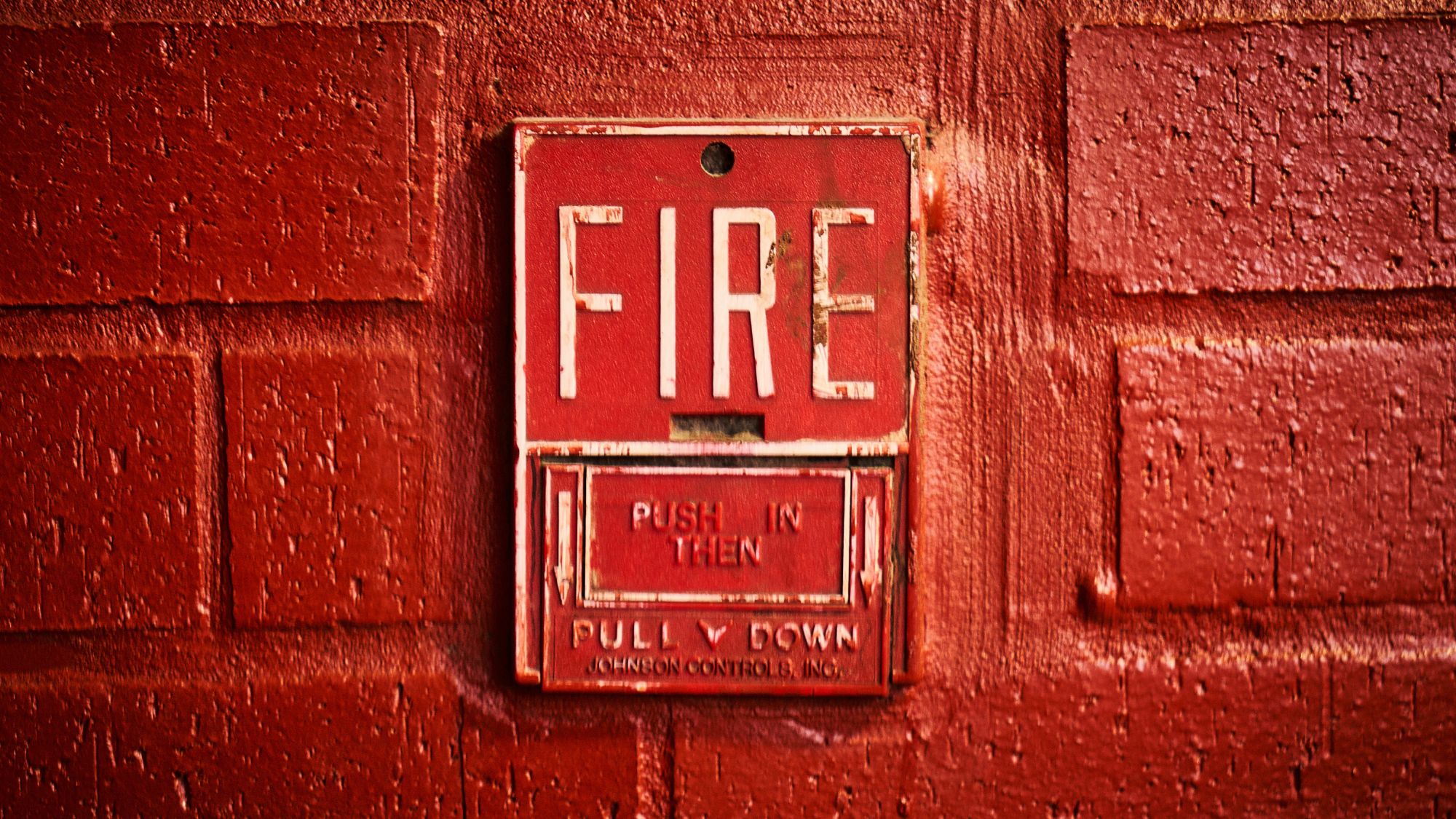
Fire alarms are crucial for keeping homes and workplaces safe, but even the most advanced systems can face technical issues. Malfunctions or false alarms may result over time from dust, humidity, power outages, or wiring problems. Understanding how to spot and solve these frequent problems keeps both safety and peace of mind.
Although they nevertheless require routine inspections and care, modern commercial fire alarm systems have sophisticated sensors and control panels that simplify error detection. Timely troubleshooting guarantees your system runs effectively when it is most important, whether it be a low-battery alert, a sensor fault, or a wiring issue. Every safety plan needs a dependable fire alarm; it's not just a requirement.
False Alarms and Their Common CausesOne of the most common problems in fire alarm systems is false alerts. Cooking smoke, steam, dust, or even insects inside the detector can cause them to be triggered. Often, the issue results from a faulty sensor or bad placement near bathrooms and kitchens. Regular cleaning of the sensors and movement of the alarms away from steam or heat sources will help to correct this.
Check for obsolete components or wiring problems if erroneous alerts continue. Frequent incorrect warnings can cause trouble and can also make people disregard legitimate cautions, which is hazardous.
Low Battery Warnings and Power IssuesA low battery or power outage is frequently indicated by a blinking fire alarm. Replace batteries immediately when the low-battery indicator begins flashing or the alarm chirps often. Make certain that hardwired systems are plugged into a consistent power source.
Should the alarm system fail to respond, inspect the circuit breaker. Monthly fire alarm testing and battery replacement at least once a year are also wise. Ignoring power warnings can endanger life by causing the system not to start up during an emergency.
Sensor Contamination and Cleaning TipsThe sensors within fire alarms can be disrupted by dust, filth, and insects, therefore triggering false alarms or causing the system to fail. Air contaminants and garbage gather inside the sensor chamber over time. Use a can of compressed air or a vacuum cleaner with a soft brush attachment to clean the alarm and stop this.
Stay clear of water or cleaning sprays as they can harm the inside parts. Consistent six-month cleaning helps to minimise pointless interruptions while keeping your alarm sensitive to actual smoke. Clean sensors lead to better protection and fewer incorrect alarms.
Faulty Wiring or Loose ConnectionsEspecially in hardwired systems, wiring problems are yet another usual source of fire alarm errors. Damaged or loose wires can cause the alarm to beep intermittently, not activate, or lose power. Should you see odd signals or system failure, thoroughly examine the connections. Call a licensed technician right away if the cabling seems burned or frayed.
Never try large-scale repairs on your own unless you have formal instruction. Preserving the integrity and security of wiring guarantees the alarm communicates properly with other parts and functions consistently during disasters.
Control Panel Error CodesOn the control panel, contemporary fire alarm systems sometimes show error codes or warning lights. From sensor failure to communication loss, every code point corresponds to a certain issue. To know what the error means, see the manual from the manufacturer.
Though resetting the system might solve small problems, persistent error codes usually indicate more serious issues requiring professional care. Ignoring these alarms could compromise the whole system. Monitoring error logs and alarm messages enables technicians to swiftly identify issues during inspections or fixes.
Testing and Resetting the Alarm SystemConsistent testing guarantees that your fire alarm operates as it should when required the most. Most alarms have a test button; pushing it briefly should start the siren. Check the power source and change the batteries if it sounds not. Reset the system to clear accumulated errors after correcting any problems.
While other systems can be reset via an app or control panel, some call for holding the reset button. Monthly testing ensures dependability. This minor measure guarantees that your alarm system, year-round, remains in great working order.
When to Call a ProfessionalSome issues call for professional help even though simple upkeep can be done at home. Contact a qualified fire alarm technician if your alarm continues to activate inexplicably, shows unknown error codes, or won't respond even after debugging.
Specialised tools let experts examine panels, sensors, and wiring. Additionally, they may ensure compliance with safety laws and revamp outdated systems. Regular expert maintenance lengthens the life of your alarm and lowers the likelihood of failure.
Conclusion Correcting fire alarm faults need not be difficult. Most issues can be readily avoided by means of monthly testing, timely battery inspections, and routine cleaning. Knowing the usual causes, from false alarms to wiring faults, allows you to act swiftly before small problems become more significant.
And when the issue surpasses your control, phoning a specialist helps your system stay trustworthy. A correctly maintained fire alarm is a life-saving protection that every day shields you and your loved ones, not just a piece of equipment.